Alleppey (Alappuzha) is prominent on the tourist trail as it is one of the major centers for backwater boat trips. With Arabian sea on the west, Alappuzha has a large network of lakes, lagoons and several freshwater rivers intersections. Alappuzha has grown in importance as a backwater tourist center, attracting several thousands of foreign tourists every year who come here to enjoy the serene marine beauty of the state. Boat races, houseboat holidays, beaches, marine products and coir industry are some of the major attractions offered by Alappuzha.
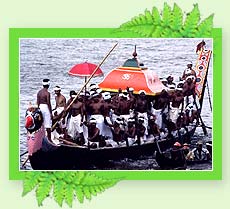
The most famous event of boat race is the "Nehru Trophy Boat Race". It is held on the second saturday of every August. There are a dozen other snake boat races, providing an unforgettable and truly special scene. The fund of energy, spirit of competition and unerring co-ordination makes this sport extremely dynamic.
Krishnapuram Palace - The 18th century Krishnapuram Palace built during the reign of the Travancore monarch, Marthanda Varma, is a double storied structure which displays typical characteristics of Kerala architecture-gabled roofs, dormer windows, narrow corridors.
Ambalappuzha (Pilgrim Center) - The Sri Krishna Temple at Ambalapuzha, 14 kms from Alleppey is among Kerala's more famous ones boasting of the typical temple architectural style of the state.
Pathiramanal - 14 kilometers from Alleppy, this little island on the backwaters is a favorite haunt of hundreds of rare migratory birds from different parts of the world.
Unique attractions of Alappuzha are:
Water Sports - Tourists can participate in numerous beach activities offered on the beautiful Alappuzha beach. For instance, you could indulge in any of the exciting water sports such as surfing or parasailing, or go swimming in the clear blue sea, or even try your hand at building a sand castle or playing a game of beach volleyball.
Boat Races - It is held in the months of August and September when the earth is moist and rain-drenched and the glorious backwaters overflows. Hundreds of men and women gather on the banks to witness a spectacular view especially, the Snake Boat Races.
The most famous event of boat race is the "Nehru Trophy Boat Race". It is held on the second saturday of every August. There are a dozen other snake boat races, providing an unforgettable and truly special scene. The fund of energy, spirit of competition and unerring co-ordination makes this sport extremely dynamic.
Kochi Backwaters :
Known as Queen of the Arabian Sea, Cochin (Kochi) is believed to be the finest natural harbour in the world. It is a cluster of islands on the vast expanse of the Vembanad Lake. Because of its commercial importance, foreign powers vied for supremacy in the area and therefore the place has a blend of several exotic cultures like the Portuguese, Jewish, English, French, Dutch and Chinese.
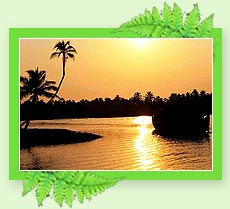
Ferry rides in Kochi commands a breathtaking view due to its lush green lawns sloping down to the water's edge. Giant Chinese fishing nets that billow from massive teak and bamboo poles dot the entrance to the harbor. Silhouetted against the setting sun, they present a magnificent sight at the waterfront.
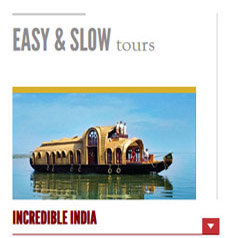
Houseboats are a unique way to experience the beauty of Cochin. The houseboats glide on the backwaters of Kochi, with panoramic view passing by.
Major tourist attractions are:
Bolghatty Island - Bolghatty palace, built by the Dutch in 1744 for their governors and later used by the British governors is situated here. Today it is a Kerala Tourism Development Corporation (KTDC) owned hotel.
Willington Island - This is situated in the backwaters and is named after the British viceroy to India, Lord Willington. The headquarters of the naval command, port trust, trading centers etc are located here.
Fort Kochi - A fishing village, Fort Kochi became a European trading center in the middle ages.
Mattancherry Palace (Dutch Palace) - This was built by some foreigners on Hindu architectural style in 1555.
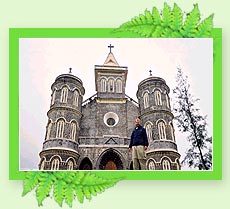
St Francis Church - Built of wood in 1503, it may be the oldest European church in India. Vasco-da-Gama was buried here.
Kollam Backwaters :
Known as the entry and exit point of the backwaters of Kerala, Kollam is situated 71 km to the north of Thiruvananthapuram. It is one of the oldest ports of the Malabar coast and was once the center of international spice trade, especially known for its marine and cashew industries. It is also the largest producer of cashew in the state.
30% of Kollam (Quilon) is covered by the renowned Ashtamudi lake and the eight-hour boat trip between Kollam and Alappuzha is the longest and most enchanting experience on the backwaters of Kerala. Kollam (Quilon) architectural remnants and a number of temples built in the traditional ornate style are the witness of the enchanting history of this town.
Tourist can visit Mata Amritanandamayi Ashram, a spiritual trust in India with a large number of educational, technical and health care industries is headquartered at Vallikkavu, near Kollam. The Picnic Village located at Ashramam, along the backwater front, is the main center of recreational activities in Kollam. A 200-year-old Government Guest House, an Adventure Park, a Tourist Boat Club, a Children's Traffic Park and a Yatri Nivas are all housed in this vast tourist complex.
The ancient Sastha temple, which lends its name to the town, is an important pilgrim center. Mayyanad, 10 kms off south to Kollam town, is famous for her shrines and temples. The most important of the nine temples here is the Subramanya Temple at Umayanallor. Thangasseri, a seaside village five kms away from the town is of great historic importance with the remnants of the old Portuguese fort and church.
Oachira is noted for its Parabrahma temple where no deity or idol is consecrated, but is dedicated to the universal and transcendental consciousness. The Alaruvi waterfalls, 75 kms from Kollam town, make its way down the rocks from a height of 300 feet. The Palaruvi woods is a beautiful picnic spot.
Kumarakom Backwaters :
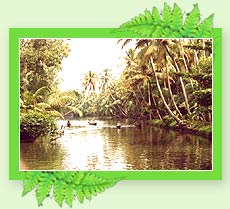
Kumarakom is situated 15 km from Kottayam, on National Highway (NH) 47 between Thiruvananthapuram (Trivandrum) and Kochi (Cochin). Kumarakom is a cluster of little islands located on the banks of the famous Vembanad Lake. The Vembanad Lake displys an intricate and enchantingly beautiful web of majestic canals, streams and distributaries. The gorgeous green of the fringed palms beautifully contrast with the ripple in the blue waters. The water ways of Kumarakom is now a big attraction for tourist.
It is incredibly different experience to cruise in Kumarakom backwater in a country boat, experiencing the beauty of Kerala villages. The bird sanctuary here, which is spread across 14 acres is a favorite haunt of migratory birds and an ornithologist's paradise. Egrets, darters, herons, teal, waterfowl, cuckoo, wild duck and migratory birds like the Siberian stork that live There in flocks are a fascination for visitors. The best way to watch the birds of the Kumarakom sanctuary is a boat trip round the islands.
An enchanting backwater destination, Kumarakom offers visitors many other leisure options. Boating and fishing facilities are available at Kumarakom. Holiday packages on the houseboats, traditional Kettuvalloms, are an out-of-this-world experience at Kumarakom. Millions of green coconut palms are lined on the river side, leaning to touch its reflections on the glassy waters. Blooming flowers, multi-hued birds, succulent freshwater fishes, all these makes the nature perfect at Kumarakom.
Trivandrum Backwaters :
The extensive backwaters of Trivandrum provide the picturesque view of a paradise. The intricate lagoons, lakes, canals and rivers are lined up along the dense tropical vegetation of Trivandrum. It is a breathtaking bout to experience a solitary and calm glide through this network of waterways. The backwaters form a specially attractive and economically valuable feature of Kerala. The biggest backwater is the Vembabad lake, some 200 sq kilometers in area, which opens out into the Arabian Sea at Cochin port.
The serene backwater stretch, en-route to Kovalam, is famous for its canoe rides. It is the meeting point of two rivers-Killi and Karamana. A temple dedicated to Parashurama, the legendary founder of Kerala, is located in Thiruvallam.
Few attractions of Trivandrum backwaters are:
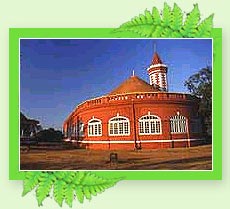
Padmanabhaswamy temple - The most impressive landmark in the town, the temple's presiding deity is Vishnu reclining on serpent Anantha. It has a seven-story tower, umpteen number of pillars, intricate carvings and mural paintings.
Museum complex - Art and natural history museums, art gallery and zoological and botanical gardens are located in a plot in the heart of the city. The museum contains paintings and other collections of the royal family.
Kanakakkunnu Palace - Today it is a venue for cultural and other public functions.
Science & Technology museum - Located near Mascot hotel, it is a valuable site for students and researchers.
Sanghumugham beach - A favorite haunt of sunset watchers. A gigantic 35 m sculpture of a mermaid, called Matsya Kanyaka, is a major attraction here. There is facility for recreational activities. The place is near the airport and the Veli tourist village.
Veli tourist village - An ideal picnic spot where the lake joins the sea. Boating facility is available in the lake. A popular retreat, it has a children's park and other attractions.
Neyyar dam - It is a popular picnic spot and has a watchtower, crocodile farm, lion safari park and a deer park, Aruvikkara dam, a picturesque picnic spot on the banks of Karamana river.